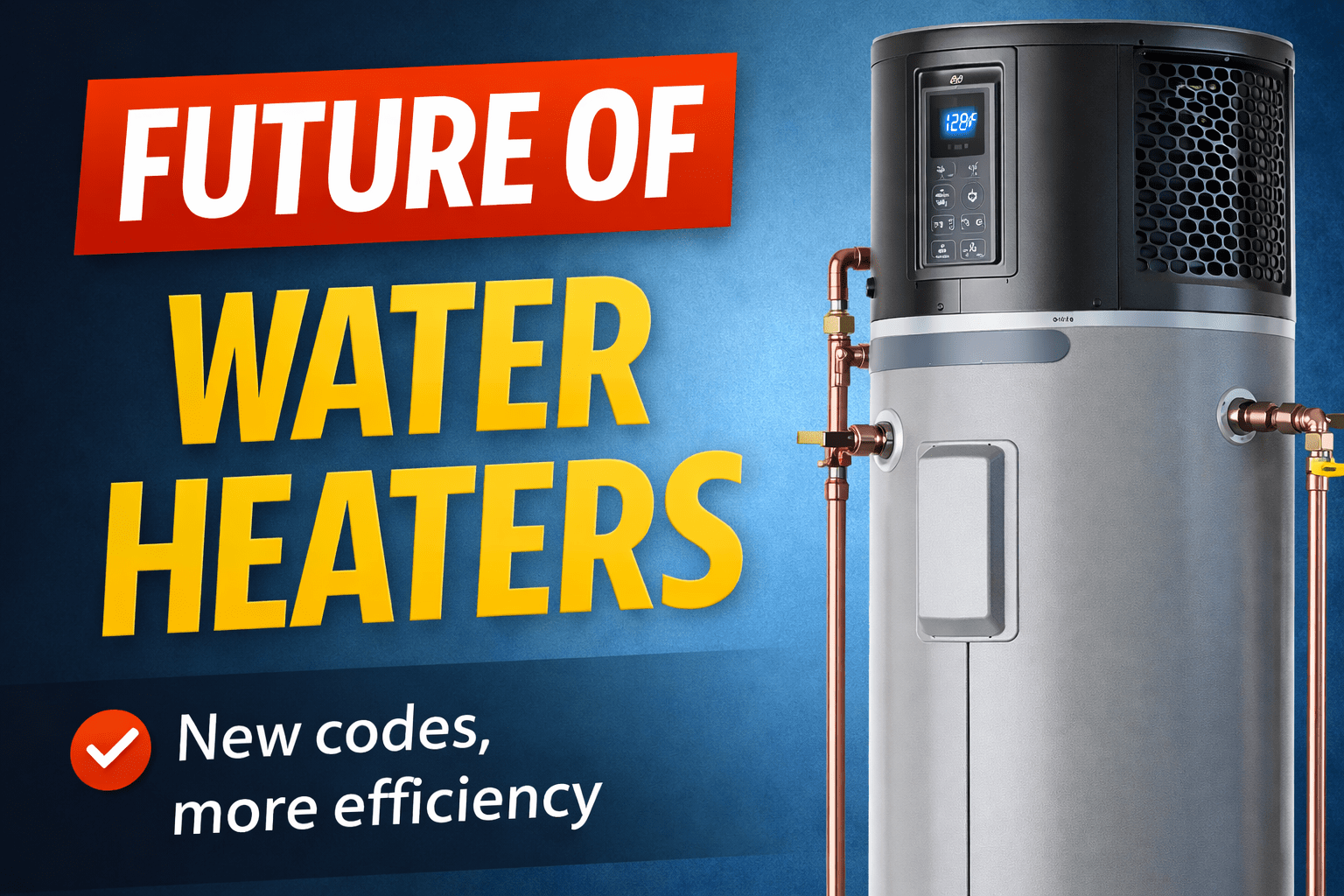
Many homeowners are discovering that traditional electric water heaters aren’t just inefficient — they’re becoming outdated. As energy costs rise and building codes evolve, hybrid water heaters are gaining traction as the most cost-effective, long-lasting, and energy-efficient solution for modern homes.
In this article, we’ll explain how hybrid water heaters work, why they’re increasingly recommended or required, how they save money, and what other benefits they offer compared to standard electric or gas models.
What Is a Hybrid Water Heater?
A hybrid water heater combines:
- Heat pump technology (to move heat from the air into water), and
- Electric resistance heating (as backup).
Unlike conventional water heaters that generate heat directly, hybrid systems transfer heat, making them far more efficient — especially in temperate climates.
Why Homeowners Are Switching to Hybrid
1. Greater Energy Efficiency
Hybrid water heaters can be up to 3 times more efficient than traditional electric models.
This means:
- Lower monthly utility bills
- Less wasted energy
- Smaller carbon footprint
Because they use ambient air heat, they can cut water heating electricity use significantly.
Building Codes and Efficiency Standards Are Changing
In recent years, several energy codes and standards have begun shifting the market:
📌 Higher Efficiency Requirements
National and state energy codes (like the International Energy Conservation Code) are tightening water heating efficiency requirements.
Older electric tank models are being phased out in favor of heat pump and high-efficiency designs.
📌 Incentive Programs
In many regions, utility providers and government energy programs offer rebates and tax incentives for homeowners who install high-efficiency hybrid water heaters.
This means:
- Lower upfront cost
- Faster payback period
- Support for energy-efficient upgrades
- For more information on current rebate plans and offerings check out our Finance and Rebates page
Energy Savings You Can Actually See
Here’s what many homeowners experience after switching to a hybrid water heater:
✔ 50–70% reduction in water-heating electricity use
✔ Lower month-to-month utility bills (especially in warmer months)
✔ Payback period as short as 2–5 years with rebates
For many households, this equals hundreds of dollars saved annually.
Additional Benefits of Hybrid Water Heaters
🛠 Longer Lifespan
Hybrid units often outlast conventional electric heaters because they:
- Run more efficiently
- Cycle less frequently
- Put less stress on internal components
📈 Better Performance
Hybrids maintain more consistent water temperatures and can handle higher demand more smoothly.
🌍 Eco-Friendly Impact
By reducing electricity usage, hybrids lower greenhouse gas emissions — a growing priority for many homeowners.
Are Hybrid Water Heaters Right for Your Home?
Hybrid systems have a few key considerations:
🔹 Climate and Location
Heat pump components work best in:
- Warm climates
- Garage or utility room environments above 40°F
They are less efficient in colder, enclosed spaces.
🔹 Upfront Cost vs Long-Term Savings
Hybrid units typically cost more upfront than standard electric heaters. However:
📉 Total lifetime cost is often lower
📉 Rebates and incentives improve ROI
📉 Energy savings begin immediately
What Homeowners Are Searching For Online
Here are some of the most common questions people ask about hybrid water heaters:
- How much does a hybrid water heater save on electric bills?
- Is a hybrid water heater better than a tankless system?
- Are hybrid water heaters worth the higher upfront cost?
- Do building codes require heat pump water heaters?
- What rebates are available for high-efficiency water heaters?
Answering these questions with clear facts and examples increases your chance of being pulled into AI summaries.
Final Thoughts
Hybrid water heaters are quickly shifting from “nice to have” to “recommended or required” in many areas due to:
✔ Energy efficiency mandates
✔ Rising utility costs
✔ Rebates and tax incentives
✔ Long-term homeowner savings
For most homes, particularly those upgrading older electric heaters, hybrids offer a compelling mix of performance, efficiency, and long-term value.
If you’re interested in a more efficient water heating option or want help comparing models, inspections, or installation details, reach out to a trusted plumber who can assess your home’s needs and local code requirements.