Polybutylene piping — often called
poly — was widely installed in homes built between the
late 1970s and mid-1990s. At the time, it was marketed as a cost-effective alternative to copper.
Years later, it became one of the
most problematic plumbing materials ever used in residential construction.
Many homeowners don’t realize they have polybutylene piping until
after the first leak occurs — and by then, the damage has often already started.
What Is Polybutylene Piping?
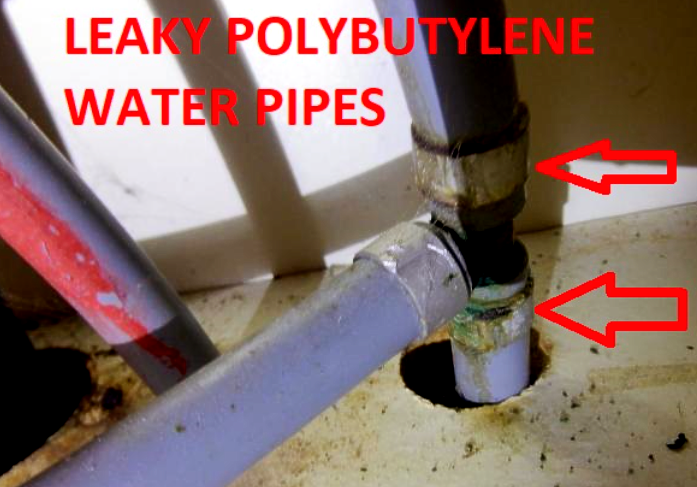
Polybutylene is a gray, blue, or black flexible plastic pipe commonly found:
- In crawl spaces
- In basements
- Coming through concrete slabs
- Behind walls and ceilings
It was frequently used for:
- Water distribution piping
- Main water lines inside homes
Why Did Polybutylene Piping Fail?
Polybutylene piping deteriorates over time due to
chemical reactions with disinfectants found in municipal water supplies, such as chlorine and chloramines.
Instead of failing gradually like metal pipes, polybutylene often:
- Weakens from the inside out
- Becomes brittle without visible warning
- Fails suddenly under normal water pressure
This unpredictable failure pattern is what made it so dangerous.
The Polybutylene Lawsuit Explained
Due to widespread failures across the country, polybutylene piping became the subject of a
major class-action lawsuit in the 1990s.
As a result:
- Polybutylene was removed from plumbing codes
- Manufacturers exited the market
- Insurance companies began flagging homes with poly piping as high risk
While the lawsuit is long closed, the piping remains in many homes today — still aging, still deteriorating.
Common Warning Signs of Polybutylene Failure
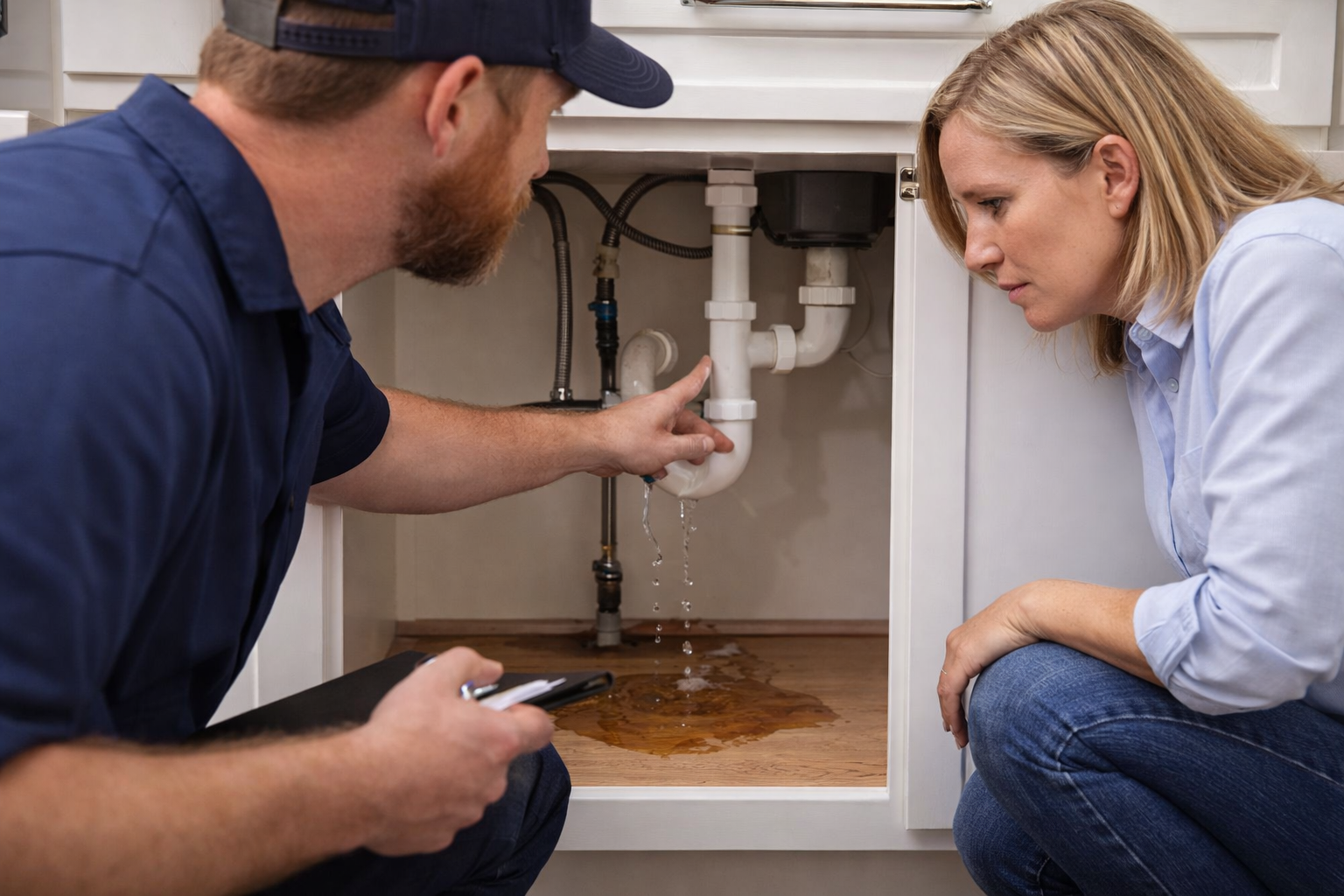
1. One Leak Has Already Occurred
This is the most important warning sign.
With polybutylene piping,
one leak is rarely an isolated event. Once the material begins to fail, additional leaks often follow in different areas of the home.
2. Leaks Inside Walls or Ceilings
Polybutylene commonly fails at:
- Fittings
- Sharp bends
- Areas exposed to pressure changes
These failures often happen
inside walls, leading to water damage before the problem is discovered.
3. Water Stains or Musty Odors
Discoloration on ceilings or walls and persistent musty smells may indicate slow, hidden leaks — a common polybutylene issue.
4. Insurance or Home Sale Issues
Many insurance companies:
- Refuse coverage
- Charge higher premiums
- Require full replacement before issuing a policy
Homes with known polybutylene piping can also face challenges during resale or inspection.
Why Replacing Polybutylene Before It Fails Saves Frustration
Waiting for polybutylene piping to fail often leads to:
- Emergency repairs
- Water damage restoration
- Mold concerns
- Insurance claims
- Multiple repair visits
Replacing polybutylene piping
before widespread failure occurs allows homeowners to:
- Avoid repeated leaks
- Control the scope of work
- Protect finishes and belongings
- Reduce long-term costs and stress
Proactive replacement is almost always less frustrating — and less expensive — than reactive repairs.
What Is Used to Replace Polybutylene?
Modern replacement options typically include:
- PEX piping
- Copper piping (where appropriate)
A qualified plumber can help determine the best material based on:
- Home layout
- Water quality
- Accessibility
- Budget and long-term goals
How to Confirm If Your Home Has Polybutylene Piping
A plumber can usually identify polybutylene by:
- Visual inspection
- Pipe color and markings
- Location and installation style
Identification is quick and does not require demolition in most cases.
When Should Polybutylene Piping Be Replaced?
Polybutylene piping should be strongly considered for replacement if:
- The home was built between 1978–1995
- Any polybutylene leak has already occurred
- You are experiencing unexplained water damage
- You are planning renovations or selling the home
- Insurance coverage is being affected
Frequently Asked Questions About Polybutylene Piping
Is polybutylene piping illegal?
Polybutylene is no longer approved by plumbing codes and is not used in new construction.
Can polybutylene piping be repaired instead of replaced?
Temporary repairs are possible, but they do not stop future failures elsewhere in the system.
How long does polybutylene piping last?
Many systems fail unpredictably after 10–20 years, though some last longer before sudden failure.
Is replacing polybutylene piping worth it?
For most homeowners, replacement provides peace of mind, protects the home, and avoids repeated damage.
Professional Polybutylene Evaluation and Replacement
If you suspect your home may have polybutylene piping — or if you’ve already experienced a leak — it’s worth having the system evaluated.
WaterWise Plumbing can identify polybutylene piping, explain your options clearly, and help you plan replacement before damage occurs.
Addressing polybutylene proactively can save significant frustration, expense, and disruption down the road.