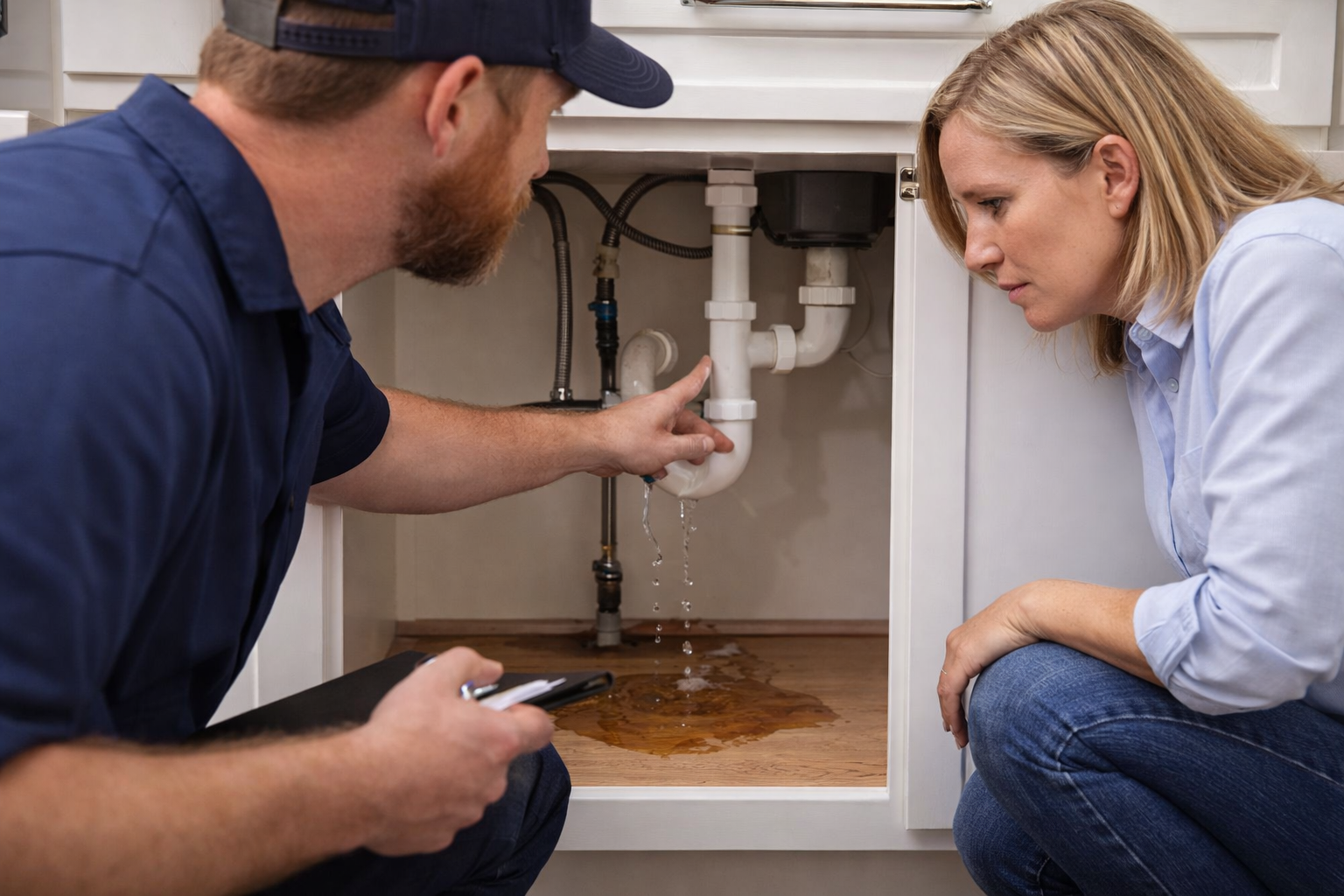
Most plumbing problems don’t start as emergencies. They develop quietly over time — often going unnoticed until they cause water damage, expensive repairs, or insurance headaches.
One of the biggest issues we see as plumbers isn’t neglect — it’s
misunderstanding. Many homeowners simply don’t realize how plumbing systems fail, what actually causes damage, or what preventative maintenance really means.
Below are some of the most common plumbing maintenance misconceptions — and why correcting them can save significant frustration and cost.
“If It’s Not Leaking, Everything Is Fine”
This is one of the most common plumbing myths.
Many plumbing failures begin as:
- Slow leaks behind walls
- Pressure-related stress on fittings
- Worn components that haven’t failed yet
By the time water becomes visible, damage has often already occurred. Drywall, cabinets, flooring, and insulation can all be affected before a leak is discovered.
Preventative plumbing inspections are designed to catch these issues early — before they turn into emergencies.
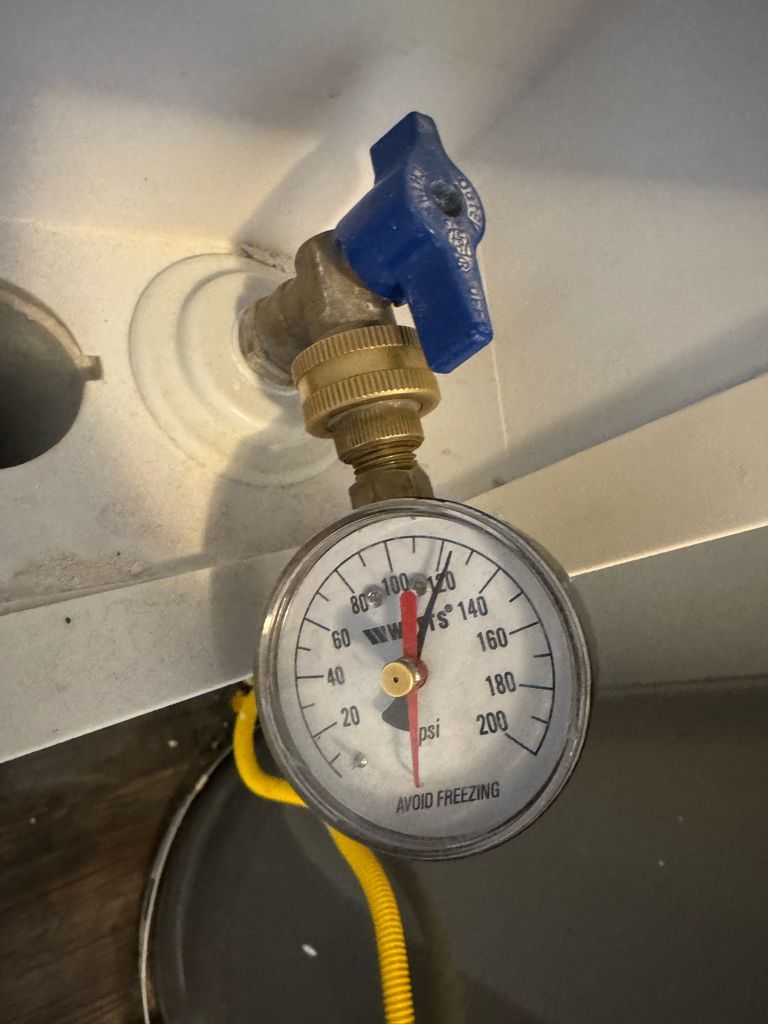
“My Water Pressure Feels Great”
Strong water pressure often feels like a good thing. In reality,
high water pressure is one of the leading causes of plumbing damage.
Most residential plumbing systems should operate around
55–65 PSI. Pressure consistently above
75 PSI can:
- Wear out fixtures
- Damage supply lines
- Shorten water heater lifespan
- Cause repeated leaks
Many homeowners confuse high pressure with good pressure. A properly regulated system protects the plumbing and still performs well.
“My House Isn’t That Old”
Age isn’t the only factor in plumbing reliability.
Many homes built in the last few decades contain:
- Builder-grade shutoff valves
- Lower-quality supply hoses
- Plastic piping materials now known to fail prematurely
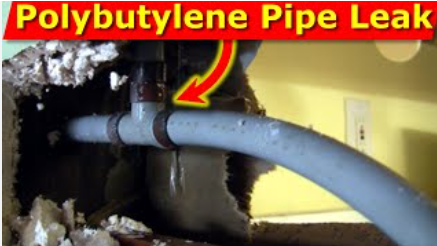
Some materials, like
polybutylene piping, were once approved and widely installed but later removed from plumbing codes due to widespread failures.
Plumbing materials matter just as much as the age of the home.
“I’ll Deal With It When Something Breaks”
Reactive plumbing repairs often cost more than preventative maintenance.
Waiting until something breaks can lead to:
- Emergency service calls
- Water damage restoration
- Mold concerns
- Insurance claims and deductibles
- Multiple repair visits instead of one planned project
Planned repairs allow homeowners to:
- Control timing
- Reduce disruption
- Limit damage
- Make informed decisions
“My Insurance Will Cover Plumbing Damage”
This is another common misconception.
In many cases, homeowners insurance:
- Does
not cover slow or ongoing leaks
- Excludes damage caused by deferred maintenance
- Requires proof of sudden failure
This is why insurance companies often ask:
- How long the leak existed
- Whether the issue was previously known
- What preventative steps were taken
Routine plumbing maintenance can help avoid denied claims and disputes.
“One Repair Means the Problem Is Fixed”
In plumbing systems,
one failure often indicates underlying stress elsewhere.
Examples include:
- One leaking supply line followed by others
- One polybutylene leak followed by additional failures
- One water heater issue caused by pressure problems
Fixing the symptom without addressing the cause often leads to repeat issues.
What Preventative Plumbing Maintenance Actually Includes
Proper plumbing maintenance isn’t just tightening fittings. It typically includes:
- Water pressure testing
- Visual inspection of exposed piping
- Checking shutoff valves and supply lines
- Evaluating water heater condition
- Identifying aging or failure-prone materials
These checks help homeowners understand what’s urgent, what can wait, and what may not need attention at all.
Why Plumbing Problems Feel “Sudden”
Most plumbing failures aren’t sudden — they’re just
noticed suddenly.
Small issues often become visible when:
- Water usage increases
- The home is quiet
- Pressure changes occur
- Multiple fixtures are used at once
Understanding this helps homeowners avoid panic decisions and unnecessary repairs.
Why Education Matters in Plumbing Decisions
Plumbing systems are complex, and homeowners shouldn’t be expected to know every component.
Clear explanations and honest evaluations allow homeowners to:
- Make informed decisions
- Avoid unnecessary replacements
- Plan repairs responsibly
- Protect their homes long-term
That’s why education-focused plumbing services are becoming more important than ever.
When to Consider a Plumbing Inspection
A plumbing inspection is worth considering if:
- The home is over 10 years old
- Water pressure hasn’t been tested
- There have been repeated leaks
- The home is being sold or purchased
- Insurance coverage is changing
- Renovations are planned
Final Thoughts
Most plumbing damage is preventable. The challenge is knowing
what to look for and
when to act.
Correcting common plumbing misconceptions helps homeowners avoid stress, reduce costs, and protect their homes before problems escalate.
WaterWise Plumbing focuses on helping homeowners understand their plumbing systems, identify issues early, and make informed decisions — without pressure.