What Is Considered High Water Pressure in a Home?
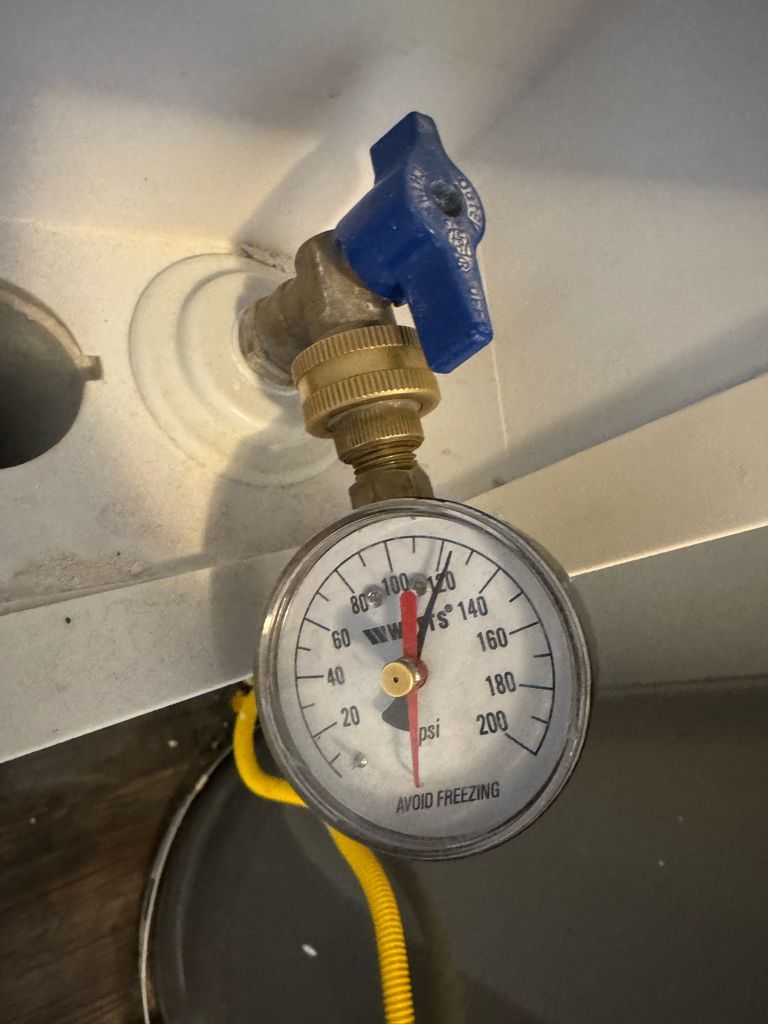
Most residential plumbing systems should operate between
55–65 PSI.
Water pressure consistently above
75 PSI is considered excessive and can damage pipes, fixtures, and appliances.
If your PRV is failing, it may allow pressure to rise unchecked.
Signs Your PRV May Be Failing
1. High Water Pressure at Faucets
If faucets feel unusually strong or aggressive, or if you hear pipes making noise while water is running, your PRV may no longer be regulating pressure correctly.
Excessive pressure places constant stress on the entire plumbing system.
2. Toilets Hissing or Refilling on Their Own
High water pressure can overwhelm toilet fill valves, causing:
- Hissing sounds
- Random refilling
- Premature valve failure
Toilets are often one of the first fixtures to show signs of pressure problems.
3. Banging, Hammering, or Vibrating Pipes
A failing PRV can allow sudden pressure spikes. These pressure surges may cause:
- Banging or hammering sounds
- Pipes vibrating when fixtures turn on or off
These noises are a red flag that pressure is not being controlled properly.
4. Faucet Aerators Clogging Frequently
Excessive pressure can dislodge mineral scale from inside your pipes. That debris often ends up collecting in faucet aerators and showerheads, leading to frequent clogs and reduced water flow.
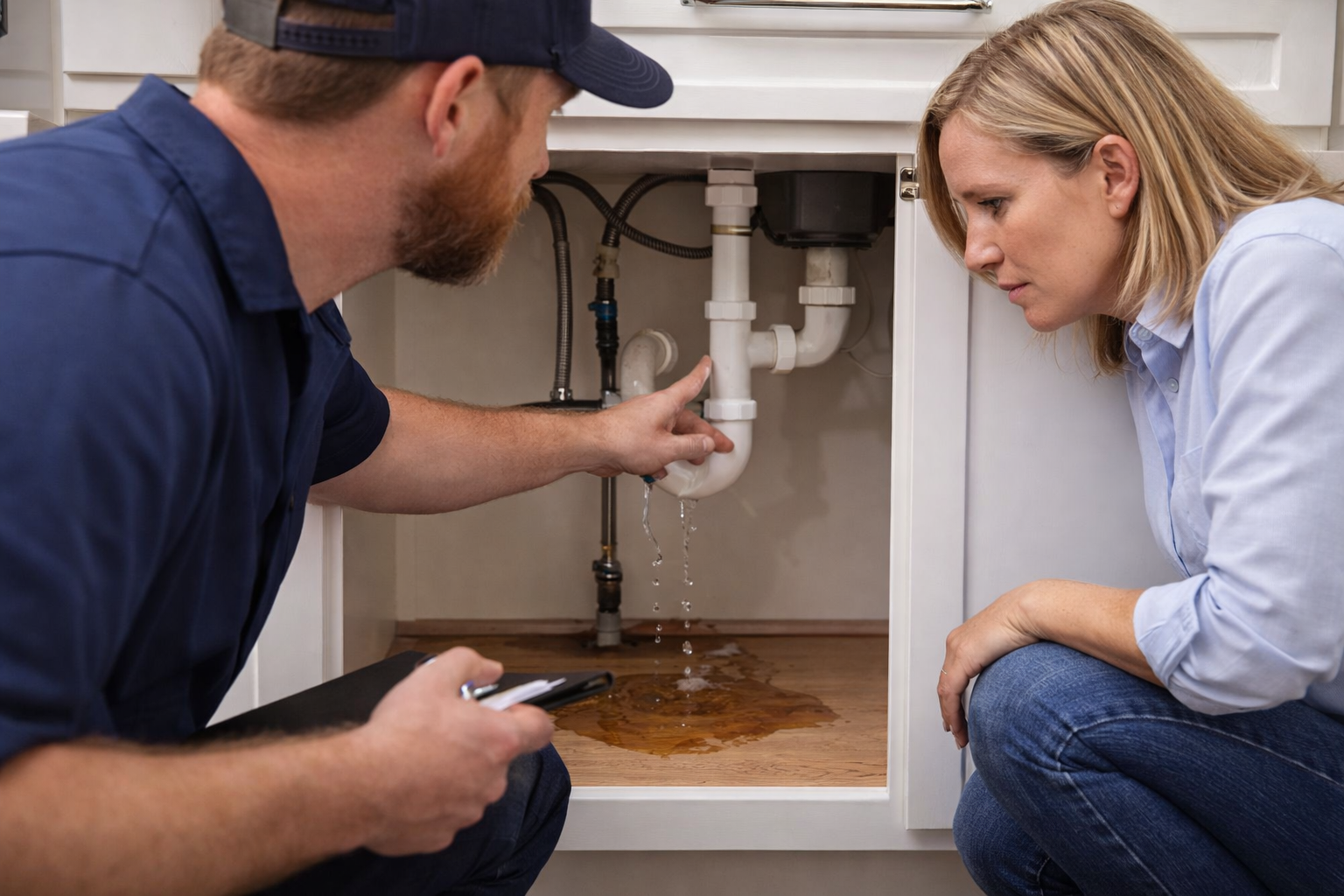
5. Leaking or Bulging Supply Lines
Older or lower-quality supply lines are not designed to handle high pressure. Over time, excessive PSI can cause hoses to:
- Bulge
- Drip
- Fail unexpectedly
This is a common cause of sudden leaks and water damage inside cabinets and laundry areas.
6. Water Heater Problems
High water pressure forces water heaters to work harder than they should. This can lead to:
- Temperature and pressure relief valve discharge
- Noisy operation
- Shortened water heater lifespan
A failing PRV is one of the
leading causes of premature water heater failure.
7. Inconsistent Water Pressure Throughout the Home
If water pressure fluctuates when multiple fixtures are used — such as a toilet flushing while a shower is running — the PRV may not be compensating correctly.
Stable pressure throughout the home is a key function of a healthy PRV.
Why PRV Failure Matters
Unregulated water pressure is one of the fastest ways to damage:
- Pipes
- Fixtures
- Toilets
- Water heaters
- Appliances
- Washing machine hoses
A properly functioning PRV protects your plumbing system and helps everything last longer.
When Should a PRV Be Checked?
If you notice any of the symptoms above, your home’s water pressure should be tested. Pressure testing is quick and can prevent expensive plumbing repairs and water damage.
WaterWise Plumbing can test your home’s water pressure in minutes and let you know whether your PRV is operating correctly or needs attention.
Call or text 770-560-8850 to schedule a pressure test.